

In April 2026, Microsoft partnered with Yobi Ventures to bring predictive behavioural intelligence models onto Azure Marketplace. The models are described as 700 billion-parameter foundation models trained to predict human behaviour at scale.
This is a different category of AI from conversational assistants or code generation tools. Behavioural prediction models ingest consumer activity data and output forecasts about what people will do next: what they will buy, when they will churn, how they will respond to pricing changes, and where they will travel.
What These Models Can Do
Behavioural prediction at this scale combines data from multiple sources: purchase history, location patterns, social media activity, search behaviour, and demographic profiles. A 700B-parameter model trained on this data can identify patterns that smaller models and traditional analytics miss.
Practical applications include customer churn prediction (identifying which customers will leave before they show obvious signs), demand forecasting (predicting product demand at granular geographic and temporal levels), dynamic pricing (adjusting prices in real time based on predicted willingness to pay), and audience targeting (identifying customer segments most likely to convert on specific marketing messages).
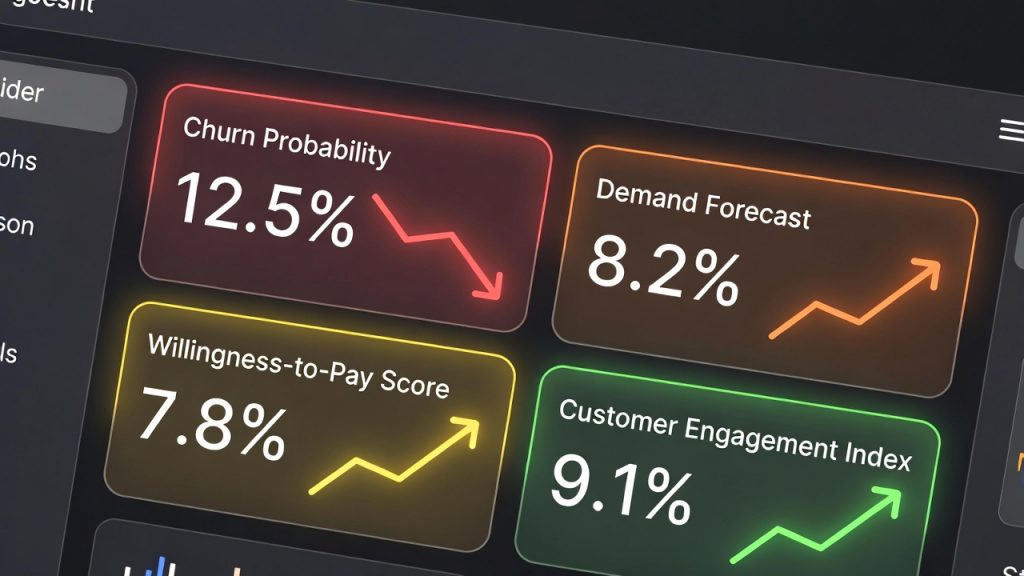
Each of these applications exists in some form today. The difference is resolution. A 700B-parameter behavioural model operating on diverse data sources can make predictions at the individual level rather than the segment level. The move from segment-level to individual-level prediction is a qualitative shift in what businesses can do with the outputs.
The Ethical Questions
Individual-level behavioural prediction creates ethical considerations that segment-level analytics do not. When a model predicts that a specific person will accept a higher price, the line between personalisation and exploitation becomes blurred.
Consent is the central issue. Most consumers do not understand the degree to which their behaviour is being modelled. Terms of service agreements that authorise data collection for “improving services” do not contemplate individual-level behavioural prediction.
Regulatory frameworks are not yet calibrated for this capability. GDPR’s provisions on automated decision-making apply to some use cases but not all. The US lacks a federal privacy framework that addresses predictive behavioural modelling directly.
Enterprise buyers deploying these models should implement their own ethical guardrails independent of regulatory requirements. Define what predictions you will and will not act on. Establish review processes for pricing and targeting decisions that use individual-level predictions. Document the boundaries before deployment, not after a public incident.
What This Means for Your Business
Predictive behavioural intelligence is becoming an enterprise tool. The competitive advantage it provides is real. The ethical and regulatory risks require proactive management.
FortySeven’s AI Strategy & Consulting and Predictive Analytics and ML Models practices help enterprises deploy predictive AI with appropriate governance frameworks. We build the models, the monitoring systems, and the ethical review processes that responsible deployment requires.